

Burnout Therapy
Evidence-based therapy for burnout, helping you understand what has led to exhaustion and find a sustainable way forward

Burnout overview
Burnout often develops gradually, as prolonged demands begin to outweigh the opportunity to recover. It can leave you feeling physically and emotionally exhausted, disconnected from things that once mattered, and less able to manage everyday pressures. Therapy can help you understand what has contributed to this pattern and identify what needs to change, rather than simply finding ways to endure more.
Book a Free Call

What is burnout?
Burnout is a state of profound physical and emotional exhaustion that develops when demands have outweighed your capacity to recover for too long. It can leave you feeling depleted, disconnected and less able to manage things that once felt straightforward. Although the World Health Organization defines burnout as an occupational phenomenon, exhaustion of this kind is not limited to the workplace and can affect your relationships, health and motivation.
What are the symptoms of burnout?
Burnout can affect you physically, emotionally and psychologically. The experience varies from person to person, but you may notice some of the following:
- Persistent exhaustion that does not improve with rest
- Feeling overwhelmed by demands that once felt manageable
- Loss of motivation or interest in things that previously mattered
- Feeling emotionally drained, detached or increasingly numb
- Difficulty concentrating, thinking clearly or making decisions
- Irritability or feeling less patient with others
- Disrupted sleep despite feeling exhausted
- Physical symptoms such as headaches, muscle tension or digestive problems
- A reduced sense of effectiveness or achievement
- Withdrawing from relationships, responsibilities or activities
- Feeling that you are constantly running on empty

Types of burnout
Burnout can affect anyone, and it develops when the demands placed on you repeatedly outweigh the time and opportunity you have to recover. While it is often associated with work, prolonged pressures in relationships, caring responsibilities, family life or several areas at once can all contribute.
If workplace pressures are the main source of difficulty, you may also find our page on work-related stress helpful.
Occupational burnout
The most widely recognised form, arising from chronic workplace stress that has not been successfully managed over a sustained period. Our guide on burnout in high-pressured roles covers this in more detail.
Leadership burnout
Associated with sustained responsibility for others, where the pressure is constant and there are few people to whom the difficulty can be admitted.
Parental burnout
Exhaustion arising from the relentless demands of caring for children, often accompanied by guilt at feeling depleted by it.
Carer burnout
Developing where someone has been supporting an unwell or dependent family member over months or years with limited respite.
Compassion fatigue
Affecting people in caring and helping professions, where repeated exposure to the distress of others gradually erodes the capacity to respond to it.
Academic burnout
Arising from prolonged study pressure, and common among postgraduate students and those combining study with work or caring responsibilities.
How therapy can support burnout
Many people come to therapy after trying for some time to keep going despite feeling increasingly depleted. Rest or time away may provide temporary relief, only for the exhaustion to return when the same pressures and patterns resume. Therapy helps you understand what has contributed to burnout, what may be keeping it in place, and what needs to change for recovery to be sustainable.
Therapy may focus on:
- Understanding what has led to burnout: Exploring the demands, circumstances and experiences that have contributed to how you feel, as well as what may have made it difficult to recognise or respond to your own needs sooner.
- Understanding the pressure to keep going: Exploring expectations, responsibilities and beliefs about what you should be able to manage, particularly when these make it difficult to slow down, ask for help or prioritise your own wellbeing.
- Establishing sustainable boundaries: Understanding where your limits have become difficult to protect and finding realistic ways to create greater balance across work, relationships and other areas of your life.
- Recovering at a realistic pace: Rebuilding energy, confidence and capacity gradually, while recognising the patterns and warning signs that can help reduce the likelihood of returning to the same cycle.

Our therapeutic approaches
We draw on a range of evidence-based therapeutic approaches, carefully tailored to your individual needs and to the factors that have contributed to burnout. Therapy may explore the beliefs, behaviours and relationship patterns that have made it difficult to recognise or protect your limits, alongside practical ways to support recovery and meaningful change.
Your assessment helps us understand your particular experience of burnout and recommend the therapeutic approach, or combination of approaches, most likely to meet your needs.

Cognitive Behavioural Therapy (CBT)
Cognitive Behaviour Therapy (CBT) is one of the most widely recognised therapeutic approaches. CBT is…
Find Out More
Acceptance & Commitment Therapy (ACT)
Acceptance and Commitment Therapy (ACT) is a therapeutic approach that focuses on enhancing psychological flexibility—the…
Find Out More Compassion Focussed Therapy (CFT)
Compassion-Focused Therapy (CFT) is a therapeutic approach that integrates principles of cognitive-behavioural therapy (CBT) with…
Find Out More
Schema Therapy
Schema therapy is a therapeutic approach that combines elements of cognitive-behaviour therapy, attachment theory, psychodynamic…
Find Out More
Psychodynamic Therapy
Psychodynamic Psychotherapy is a therapeutic approach rooted in the principles of psychoanalysis, focusing on the…
Find Out More Cognitive Behavioural Therapy (CBT)
Cognitive Behaviour Therapy (CBT) is one of the most widely recognised therapeutic approaches. CBT is…
Find Out More Acceptance & Commitment Therapy (ACT)
Acceptance and Commitment Therapy (ACT) is a therapeutic approach that focuses on enhancing psychological flexibility—the…
Find Out More Compassion Focussed Therapy (CFT)
Compassion-Focused Therapy (CFT) is a therapeutic approach that integrates principles of cognitive-behavioural therapy (CBT) with…
Find Out More Schema Therapy
Schema therapy is a therapeutic approach that combines elements of cognitive-behaviour therapy, attachment theory, psychodynamic…
Find Out More Psychodynamic Therapy
Psychodynamic Psychotherapy is a therapeutic approach rooted in the principles of psychoanalysis, focusing on the…
Find Out More Cognitive Behavioural Therapy (CBT)
Cognitive Behaviour Therapy (CBT) is one of the most widely recognised therapeutic approaches. CBT is…
Find Out More Acceptance & Commitment Therapy (ACT)
Acceptance and Commitment Therapy (ACT) is a therapeutic approach that focuses on enhancing psychological flexibility—the…
Find Out More Compassion Focussed Therapy (CFT)
Compassion-Focused Therapy (CFT) is a therapeutic approach that integrates principles of cognitive-behavioural therapy (CBT) with…
Find Out More Schema Therapy
Schema therapy is a therapeutic approach that combines elements of cognitive-behaviour therapy, attachment theory, psychodynamic…
Find Out More Psychodynamic Therapy
Psychodynamic Psychotherapy is a therapeutic approach rooted in the principles of psychoanalysis, focusing on the…
Find Out More The London Bridge Therapy Team
Meet The Team
Dr Steven Mahan-Taylor
Clinic Director & Consultant Clinical Psychologist
Dr Mahan-Taylor creates a therapy space that is professional, warm, and human. He is known for his ability to form genuine, trusting therapeutic relationships, which is an essential foundation for deep and lasting change. Clients consistently value his balance of clinical expertise with an approachable, grounded style….
Read Full Bio

Andrea Dobson
Counselling Psychologist
Andrea is an accomplished Counselling Psychologist and Coach with extensive experience across inpatient, outpatient, and occupational settings. She began her professional journey in Amsterdam after earning qualifications in Clinical Psychology….
Read Full Bio

Dr Kate O'Connor
Clinical Psychologist
Dr Kate O’Connor is a highly skilled Clinical Psychologist with extensive experience across various therapeutic settings within the NHS, including both inpatient and community environments. She primarily works with adults facing enduring and complex mental health challenges, demonstrating her versatility and expertise in handling a wide range of client needs….
Read Full Bio

Dr Hannah Krzyzanowski
Clinical Psychologist
Dr Krzyzanowski has an extensive history of working within a variety of NHS settings, from community outreach to specialised healthcare services, which has equipped her with the ability to manage complex cases across a broad spectrum of needs….
Read Full Bio

Dr Catherine Barton-Sweeney
Counselling Psychologist
Dr Catherine Barton-Sweeney is a warm, compassionate, and insightful Counselling Psychologist who is deeply committed to fostering genuine connections with those she supports. With over two decades of experience, Dr Barton-Sweeney brings a wealth of expertise and understanding to her work….
Read Full Bio

Kendal Earl-Travis
Relationship Psychotherapist
Kendal Earl-Travis is a highly skilled and compassionate Relationship Psychotherapist, dedicated to enhancing the quality of relationships for both couples and individuals. Clients often describe their experiences with her as truly transformational, reflecting her deep commitment to their growth and healing….
Read Full Bio

Dr Liza Turner
Clinical Psychologist
Dr Liza Turner is a highly skilled Clinical Psychologist with a compassionate and approachable style. Drawing on extensive experience across various NHS settings, she provides treatments grounded in research, while understanding each client’s unique life journey….
Read Full Bio

Nicola Williams
Counselling Psychologist
Nicola Williams is an accomplished Chartered Counselling Psychologist, certified Eye Movement Desensitisation and Reprocessing (EMDR) therapist, and Internal Family Systems therapist, with over thirty years’ experience in healthcare across both the NHS and private sectors….
Read Full Bio

Matthew Stainer
Integrative Psychotherapist, Couples Therapist & Specialist Addiction Therapist
Matthew is an experienced Integrative Psychotherapist and Couples Therapist, incorporating various theoretical frameworks into the therapeutic process, delivering expert, solution-focused therapy tailored to his clients’ needs….
Read Full Bio

Sarah Horner
Specialist Couples Therapist
Sarah Horner is a dedicated psychodynamic couples therapist, holding a Master’s degree in Psychology from Cambridge University and a Postgraduate Diploma in Couples Psychotherapy from Tavistock Relationships, a prestigious institution recognised globally for its research, training, and practice in couples therapy….
Read Full Bio

Dr Zoe Delaney
Clinical Psychologist
Dr Zoe Delaney is a compassionate and experienced Clinical Psychologist with extensive experience supporting a wide range of clients across a broad range of psychological challenges. She places significant emphasis on the therapeutic relationship, helping clients delve into early life experiences and relationship patterns to better understand their present challenges and emotions….
Read Full Bio
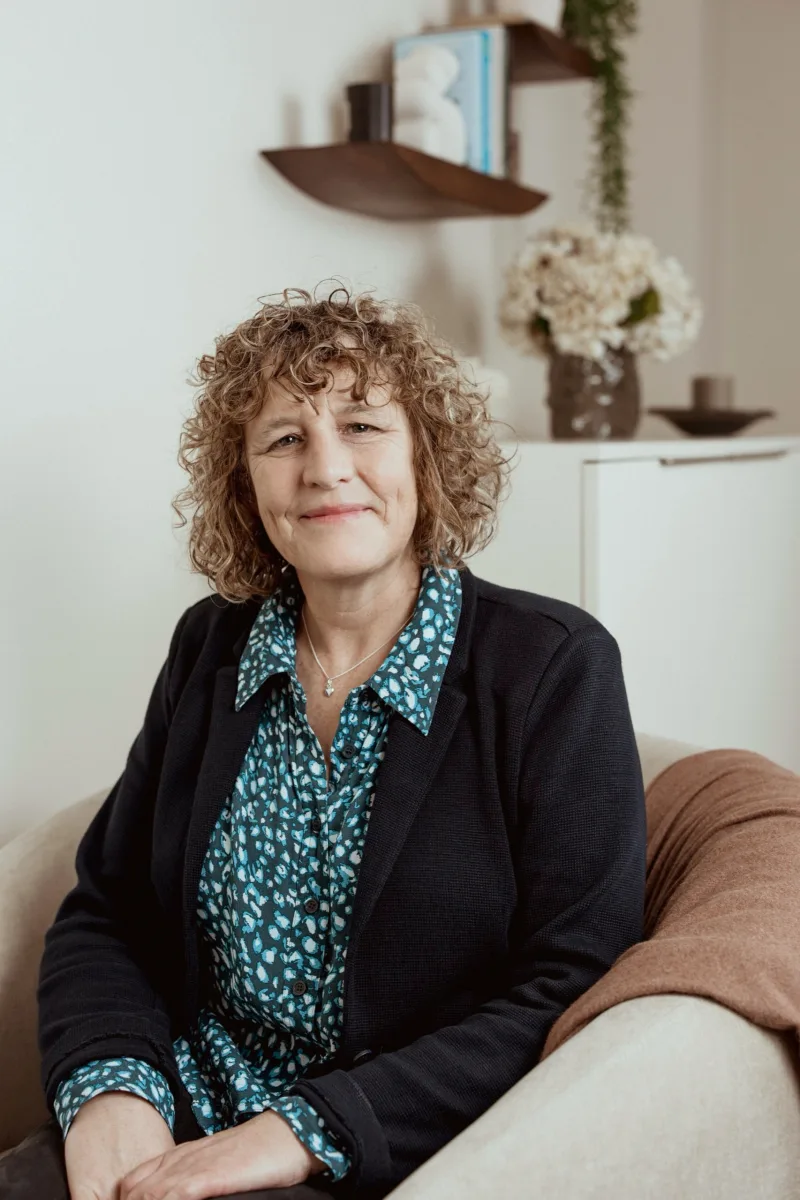
Dr Jackie Allt
Consultant Clinical Psychologist
With over 30 years of experience in both the NHS and private sectors, Dr Jackie Allt is a dedicated Consultant Clinical Psychologist specialising in adult mental health. Her approach is warm and approachable, fostering collaboration with her clients to create a trusting environment tailored to their unique needs….
Read Full Bio

Eleanor Wolfe
Integrative Psychotherapist & Couples Therapist
Eleanor is a dedicated Integrative Psychotherapist and Couples Therapist who is highly skilled working with individuals and couples. She utilises her considerable academic knowledge to ensure she offers expert, evidence-based psychological therapy….
Read Full Bio

Dr Sujeena Navajeeva
Clinical Psychologist
Dr Sujeena Navajeeva is a Clinical Psychologist with extensive experience supporting people across a broad spectrum of mental health challenges. Her approach is compassionate, collaborative, and grounded in real-world understanding. She is committed to creating a safe, inclusive, and affirming space where clients feel truly seen, heard, and supported….
Read Full Bio

Dr Olivia Adamson
Counselling Psychologist
Dr Olivia Adamson is a Counselling Psychologist with experience working in the NHS, private, and charity sectors. She provides a containing, compassionate, and insight-based approach to her work with clients….
Read Full Bio
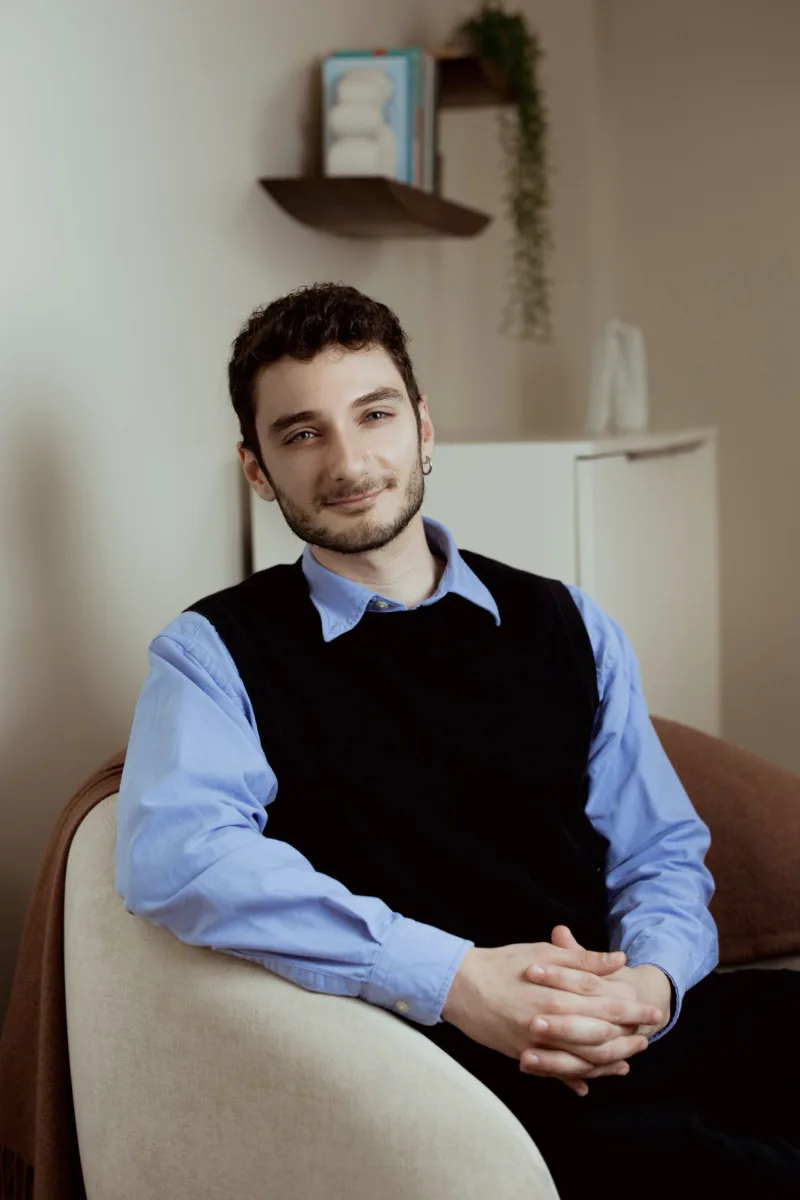
Dr George Bougas
Clinical Psychologist And Couples Therapist
Dr George Bougas is a highly skilled and compassionate Clinical Psychologist with extensive experience across both NHS and private practice settings. He works with adults, young people, and couples, offering expert psychological therapy for a wide range of difficulties…
Read Full Bio

Kate Morgenstern
Integrative & Existential Psychotherapist
Kate Morgenstern is an Integrative Psychotherapist and a registered member of the British Association for Counselling and Psychotherapy (BACP). She works with adults, offering a thoughtful, compassionate, and collaborative therapeutic space….
Read Full Bio

Dr Hayley Zambakides
Clinical Psychologist
Dr Hayley Zambakides is a Clinical Psychologist with extensive experience working across a range of therapeutic settings within both the NHS and the charity sector. She is highly skilled in working with diverse and complex needs, tailoring her approach carefully to each individual….
Read Full Bio

Dr Josephine Swede
Counselling Psychologist
Dr Josephine Swede is a Counselling Psychologist who has worked across a range of therapeutic settings, including the NHS, private practice, and the charity sector. She understands the unique challenges these contexts can present and works collaboratively with clients to tailor therapy in a way that is both meaningful and practical within the realities of their lives….
Read Full Bio

Dr Meadhbh Raftery
Counselling Psychologist and Couples Therapist
Dr Raftery is a Counselling Psychologist and Couples Therapist with over 15 years of experience across both public and private mental health settings. She has particular expertise in long-term psychotherapy for individuals seeking more than symptom management and is experienced in supporting those who wish to understand themselves at a deeper level, break longstanding patterns, and create a life that feels more meaningful, authentic, and fulfilling….
Read Full Bio
Who is burnout therapy for?
You do not need to have reached breaking point before seeking support. Some people come to therapy while still managing the demands of everyday life outwardly, but increasingly aware that the effort required to keep going has become unsustainable. Others seek help when exhaustion has already begun to significantly affect their work, relationships or ability to function as they usually would.
Wherever you are, you do not need to have worked out what is wrong or what you want from therapy beforehand. The first step is a complimentary telephone consultation, where we can begin to understand what you are experiencing and carefully consider the support that may be right for you.
Book Now


Get in touch
If you are considering therapy for burnout, the first step is a short call with Dr Steven Mahan-Taylor, our Clinic Director. It is a chance to talk through what has been happening and ask anything you need to before deciding on next steps.
Book A CallFrequently Asked Questions
-
Burnout can develop when stress, demands and responsibilities remain high for a prolonged period without sufficient opportunity to recover. These pressures may come from work, relationships, caring responsibilities, significant life circumstances, or several areas of life at once. Often, it is the cumulative effect rather than any single cause that becomes overwhelming.
The way we respond to these demands can also play a part. A strong sense of responsibility, perfectionism, difficulty saying no or asking for help, or feeling that you must keep going regardless of the cost can make it harder to recognise and protect your own limits. Therapy can help you understand how external pressures and these individual patterns interact, and what may need to change for recovery to be sustainable.
Our guide to anxiety at work explores how perfectionism and pressure to perform can become difficult to sustain.
-
Burnout is not classified as a medical condition in its own right. The World Health Organization describes burnout specifically as an occupational phenomenon resulting from chronic workplace stress. However, the experience of profound exhaustion and depletion can extend well beyond work and affect many areas of a person’s life.
This does not make burnout any less significant. Prolonged exhaustion and stress can have a considerable impact on both physical and psychological wellbeing and may occur alongside difficulties such as depression and anxiety. Recovery often involves understanding both the pressures someone is facing and the patterns that may make it difficult to recognise, communicate or protect their own needs and limits.
-
Burnout and depression can share many features, including exhaustion, reduced motivation, difficulty concentrating and withdrawing from things that once felt manageable or rewarding. Depression is a recognised mental health condition and may involve persistent low mood, hopelessness and a loss of interest or pleasure across different areas of life. Burnout is generally understood in relation to prolonged demands, stress and insufficient opportunity for recovery.
The two can overlap, and it is not always easy to distinguish between them yourself. If low mood, loss of interest or other difficulties have become more pervasive, you may also find our page on depression helpful. A thorough assessment can help make sense of what you are experiencing and identify the most appropriate therapeutic approach.
-
Recovery from burnout varies considerably from person to person. It can depend on how long you have been feeling depleted, the pressures and circumstances that have contributed to it, and the extent to which there is opportunity for meaningful change and recovery.
For many people, recovery is gradual rather than immediate. Therapy can help you recognise what your mind and body need, rebuild energy and capacity at a sustainable pace, and address the patterns or pressures that contributed to burnout in the first place. The aim is not simply to return to how things were, but to find a healthier and more sustainable way forward.
-
For some people, it is possible to recover from burnout while continuing to work. This will depend on your individual circumstances, the severity of the exhaustion you are experiencing, and whether there is enough opportunity to reduce demands, establish healthier boundaries and create meaningful space for recovery.
Many people seek therapy because they want to continue working but recognise that something needs to change. Therapy can help you understand what is contributing to burnout, identify what is realistically within your control, and develop a more sustainable relationship with work alongside the other demands in your life.
Our guide on managing overwhelm in London may also be helpful.
-
There is no single approach to therapy for burnout. Effective therapy considers both the difficulties you are experiencing now, such as exhaustion, disrupted sleep, difficulty concentrating or changes in mood, and the circumstances, patterns and pressures that may have contributed to burnout developing.
Our psychologists and psychotherapists draw on evidence-based approaches including Cognitive Behavioural Therapy (CBT), Acceptance and Commitment Therapy (ACT), Compassion Focused Therapy (CFT) and Schema Therapy. Your approach will be carefully tailored following assessment, based on your individual needs and what is likely to support meaningful, sustainable change.
-
It may be helpful to seek therapy when exhaustion persists despite rest, everyday demands feel increasingly difficult to manage, or you notice changes in your motivation, mood, relationships or ability to function as you usually would. You do not need to wait until you feel unable to continue before asking for support.
Burnout can develop gradually and may be difficult to recognise, particularly when you are still managing to meet your responsibilities outwardly. If keeping going requires considerably more effort than it used to, you feel increasingly depleted or disconnected, or people close to you have noticed a change, these can all be signs that it is worth seeking support.
-
Fees vary according to the experience and specialism of the psychologist or psychotherapist you see, with the initial assessment charged separately. Your exact fee will always be agreed with you in advance, and you can find our current fees in full on our fees page.
Before booking an appointment, we offer a complimentary 15-minute telephone consultation with our Clinic Director, Dr Steven Mahan-Taylor. This gives us an opportunity to understand what you are looking for, answer any questions you may have, and carefully match you with the therapist best suited to your individual needs.
Our
Services

Assessment Services
Our specialised assessment services provide a foundation for understanding and addressing individual and relational challenges. Tailored to meet the distinct needs of each client, these evaluations offer insights into personal and interpersonal dynamics, facilitating targeted therapeutic interventions.
Find Out More
Individual Therapy
Individual therapy offers a confidential space for personal exploration and growth, where our therapists focus on skill-building, coping strategies, and a goal-oriented approach whilst supporting you to develop a deep understanding of yourself. Drawing from evidence-based therapies such as Cognitive Behavioural Therapy (CBT), Acceptance and Commitment Therapy (ACT), and Schema Therapy, we work collaboratively with you to address your concerns. Together, we develop practical strategies to enhance your well-being and achieve your goals.
Find Out More Assessment Services
Our specialised assessment services provide a foundation for understanding and addressing individual and relational challenges. Tailored to meet the distinct needs of each client, these evaluations offer insights into personal and interpersonal dynamics, facilitating targeted therapeutic interventions.
Find Out More Individual Therapy
Individual therapy offers a confidential space for personal exploration and growth, where our therapists focus on skill-building, coping strategies, and a goal-oriented approach whilst supporting you to develop a deep understanding of yourself. Drawing from evidence-based therapies such as Cognitive Behavioural Therapy (CBT), Acceptance and Commitment Therapy (ACT), and Schema Therapy, we work collaboratively with you to address your concerns. Together, we develop practical strategies to enhance your well-being and achieve your goals.
Find Out More Assessment Services
Our specialised assessment services provide a foundation for understanding and addressing individual and relational challenges. Tailored to meet the distinct needs of each client, these evaluations offer insights into personal and interpersonal dynamics, facilitating targeted therapeutic interventions.
Find Out More Individual Therapy
Individual therapy offers a confidential space for personal exploration and growth, where our therapists focus on skill-building, coping strategies, and a goal-oriented approach whilst supporting you to develop a deep understanding of yourself. Drawing from evidence-based therapies such as Cognitive Behavioural Therapy (CBT), Acceptance and Commitment Therapy (ACT), and Schema Therapy, we work collaboratively with you to address your concerns. Together, we develop practical strategies to enhance your well-being and achieve your goals.
Find Out More