

Depression Therapy
Evidence-based therapy for depression, tailored to where you are now and helping you move towards meaningful, lasting change

Depression overview
Depression is more than a passing low mood. It can affect how you think, feel and relate to the world around you, draining energy, diminishing interest and making everyday life feel increasingly difficult. Therapy can help you understand what may be contributing to and maintaining these difficulties, while supporting you to reconnect with what matters and begin making meaningful, lasting change.
Book a Free Call

What is depression?
Depression is a persistent low mood that can affect how you think, feel and function in everyday life. It is more than feeling sad or having a difficult period, and it can be hard to shift without the right support. Alongside low mood, you may notice a loss of interest or pleasure in things that once mattered to you, changes in sleep or appetite, difficulties with concentration, or a lack of energy and motivation.
What are the symptoms of depression?
Depression can affect your emotions, thoughts, behaviour and physical wellbeing. You may experience some of the following:
- Persistent low mood, sadness or emptiness
- Loss of interest or pleasure in things you previously enjoyed
- Low energy or a sense that everyday tasks require much more effort
- Difficulty concentrating, thinking clearly or making decisions
- Changes in sleep, including sleeping too little or too much
- Changes in appetite or weight
- Feelings of guilt, hopelessness or worthlessness
- Irritability, agitation or restlessness
- Withdrawing from friends, family or activities
- Thoughts that life is not worth living

If you need urgent support
If you are having thoughts of harming yourself, or feel unable to keep yourself safe, please speak to your GP or call 111. In an emergency, call 999 or go to your nearest A&E. Samaritans are available free on 116 123 at any time.
Types of depression
Depression is recognised in several forms, and most people find one describes their experience more closely than the rest.
Low mood that follows a bereavement is usually understood differently, and is covered on our page on grief and mourning.
Major depression
Known clinically as Major Depressive Disorder. Low mood and loss of interest lasting at least two weeks and affecting how you function day to day.
Persistent depression
Known clinically as dysthymia. A lower-grade depression lasting two years or more, often present for so long that it no longer feels unusual.
Seasonal depression
Depression that follows a seasonal pattern, usually beginning in autumn or winter and easing as daylight returns in the spring.
Postnatal depression
Depression developing in the months after having a baby, distinct from the short-lived low mood that is common in the first weeks.
Depression with anxiety
Depression and anxiety often occur together. Worry and fear can contribute to withdrawal and low mood, while depression can make anxious thoughts feel harder to manage. Where both are present, therapy considers how they interact and addresses them together as part of a carefully tailored approach.
Treatment-resistant depression
Depression that has not improved after two or more adequate courses of treatment. Revisiting how the difficulty is understood often opens other options.
How therapy can support depression
Depression tends to narrow life gradually. Activities fall away, contact with people reduces, and the effort needed to restart them grows. Therapy works with the mood itself and with the pattern that keeps it in place.
Therapy tends to focus on:
- Rebuilding activity: Withdrawal brings relief in the short term and deepens depression over time. Therapy supports a gradual, realistic return to activity rather than waiting for motivation to arrive first.
- Working with self-critical thinking: Depression tends to make thinking harsher and more absolute. Sessions examine those patterns directly rather than treating them as accurate reflections of who you are.
- Understanding what came before it: Looking at what was happening before the depression took hold, including losses, sustained pressure, and longer-standing patterns that may have made you more vulnerable to it.
- Reducing the chance of return: Depression often recurs. Part of the work is recognising your own early signs and knowing what helps, so that a difficult period does not become another episode.

Our therapeutic approaches
We draw on a range of evidence-based approaches, tailoring therapy to the individual rather than applying the same model to everyone. Some focus on the thinking and behavioural patterns that maintain low mood, while others explore what may be underlying it. Which is likely to help most becomes clearer through assessment.

Cognitive Behavioural Therapy (CBT)
Cognitive Behaviour Therapy (CBT) is one of the most widely recognised therapeutic approaches. CBT is…
Find Out More
Acceptance & Commitment Therapy (ACT)
Acceptance and Commitment Therapy (ACT) is a therapeutic approach that focuses on enhancing psychological flexibility—the…
Find Out More
Compassion Focussed Therapy (CFT)
Compassion-Focused Therapy (CFT) is a therapeutic approach that integrates principles of cognitive-behavioural therapy (CBT) with…
Find Out More
Eye-Movement Desensitisation & Reprocessing (EMDR) Therapy
Eye Movement Desensitisation and Reprocessing (EMDR) is a therapeutic approach designed to help individuals process…
Find Out More
Schema Therapy
Schema therapy is a therapeutic approach that combines elements of cognitive-behaviour therapy, attachment theory, psychodynamic…
Find Out More
Psychodynamic Therapy
Psychodynamic Psychotherapy is a therapeutic approach rooted in the principles of psychoanalysis, focusing on the…
Find Out More Cognitive Behavioural Therapy (CBT)
Cognitive Behaviour Therapy (CBT) is one of the most widely recognised therapeutic approaches. CBT is…
Find Out More Acceptance & Commitment Therapy (ACT)
Acceptance and Commitment Therapy (ACT) is a therapeutic approach that focuses on enhancing psychological flexibility—the…
Find Out More Compassion Focussed Therapy (CFT)
Compassion-Focused Therapy (CFT) is a therapeutic approach that integrates principles of cognitive-behavioural therapy (CBT) with…
Find Out More Eye-Movement Desensitisation & Reprocessing (EMDR) Therapy
Eye Movement Desensitisation and Reprocessing (EMDR) is a therapeutic approach designed to help individuals process…
Find Out More Schema Therapy
Schema therapy is a therapeutic approach that combines elements of cognitive-behaviour therapy, attachment theory, psychodynamic…
Find Out More Psychodynamic Therapy
Psychodynamic Psychotherapy is a therapeutic approach rooted in the principles of psychoanalysis, focusing on the…
Find Out More Cognitive Behavioural Therapy (CBT)
Cognitive Behaviour Therapy (CBT) is one of the most widely recognised therapeutic approaches. CBT is…
Find Out More Acceptance & Commitment Therapy (ACT)
Acceptance and Commitment Therapy (ACT) is a therapeutic approach that focuses on enhancing psychological flexibility—the…
Find Out More Compassion Focussed Therapy (CFT)
Compassion-Focused Therapy (CFT) is a therapeutic approach that integrates principles of cognitive-behavioural therapy (CBT) with…
Find Out More Eye-Movement Desensitisation & Reprocessing (EMDR) Therapy
Eye Movement Desensitisation and Reprocessing (EMDR) is a therapeutic approach designed to help individuals process…
Find Out More Schema Therapy
Schema therapy is a therapeutic approach that combines elements of cognitive-behaviour therapy, attachment theory, psychodynamic…
Find Out More Psychodynamic Therapy
Psychodynamic Psychotherapy is a therapeutic approach rooted in the principles of psychoanalysis, focusing on the…
Find Out More The London Bridge Therapy Team
Meet The Team
Dr Steven Mahan-Taylor
Clinic Director & Consultant Clinical Psychologist
Dr Mahan-Taylor creates a therapy space that is professional, warm, and human. He is known for his ability to form genuine, trusting therapeutic relationships, which is an essential foundation for deep and lasting change. Clients consistently value his balance of clinical expertise with an approachable, grounded style….
Read Full Bio

Andrea Dobson
Counselling Psychologist
Andrea is an accomplished Counselling Psychologist and Coach with extensive experience across inpatient, outpatient, and occupational settings. She began her professional journey in Amsterdam after earning qualifications in Clinical Psychology….
Read Full Bio

Dr Kate O'Connor
Clinical Psychologist
Dr Kate O’Connor is a highly skilled Clinical Psychologist with extensive experience across various therapeutic settings within the NHS, including both inpatient and community environments. She primarily works with adults facing enduring and complex mental health challenges, demonstrating her versatility and expertise in handling a wide range of client needs….
Read Full Bio

Dr Hannah Krzyzanowski
Clinical Psychologist
Dr Krzyzanowski has an extensive history of working within a variety of NHS settings, from community outreach to specialised healthcare services, which has equipped her with the ability to manage complex cases across a broad spectrum of needs….
Read Full Bio

Dr Catherine Barton-Sweeney
Counselling Psychologist
Dr Catherine Barton-Sweeney is a warm, compassionate, and insightful Counselling Psychologist who is deeply committed to fostering genuine connections with those she supports. With over two decades of experience, Dr Barton-Sweeney brings a wealth of expertise and understanding to her work….
Read Full Bio

Kendal Earl-Travis
Relationship Psychotherapist
Kendal Earl-Travis is a highly skilled and compassionate Relationship Psychotherapist, dedicated to enhancing the quality of relationships for both couples and individuals. Clients often describe their experiences with her as truly transformational, reflecting her deep commitment to their growth and healing….
Read Full Bio

Dr Liza Turner
Clinical Psychologist
Dr Liza Turner is a highly skilled Clinical Psychologist with a compassionate and approachable style. Drawing on extensive experience across various NHS settings, she provides treatments grounded in research, while understanding each client’s unique life journey….
Read Full Bio

Nicola Williams
Counselling Psychologist
Nicola Williams is an accomplished Chartered Counselling Psychologist, certified Eye Movement Desensitisation and Reprocessing (EMDR) therapist, and Internal Family Systems therapist, with over thirty years’ experience in healthcare across both the NHS and private sectors….
Read Full Bio

Matthew Stainer
Integrative Psychotherapist, Couples Therapist & Specialist Addiction Therapist
Matthew is an experienced Integrative Psychotherapist and Couples Therapist, incorporating various theoretical frameworks into the therapeutic process, delivering expert, solution-focused therapy tailored to his clients’ needs….
Read Full Bio

Sarah Horner
Specialist Couples Therapist
Sarah Horner is a dedicated psychodynamic couples therapist, holding a Master’s degree in Psychology from Cambridge University and a Postgraduate Diploma in Couples Psychotherapy from Tavistock Relationships, a prestigious institution recognised globally for its research, training, and practice in couples therapy….
Read Full Bio

Dr Zoe Delaney
Clinical Psychologist
Dr Zoe Delaney is a compassionate and experienced Clinical Psychologist with extensive experience supporting a wide range of clients across a broad range of psychological challenges. She places significant emphasis on the therapeutic relationship, helping clients delve into early life experiences and relationship patterns to better understand their present challenges and emotions….
Read Full Bio
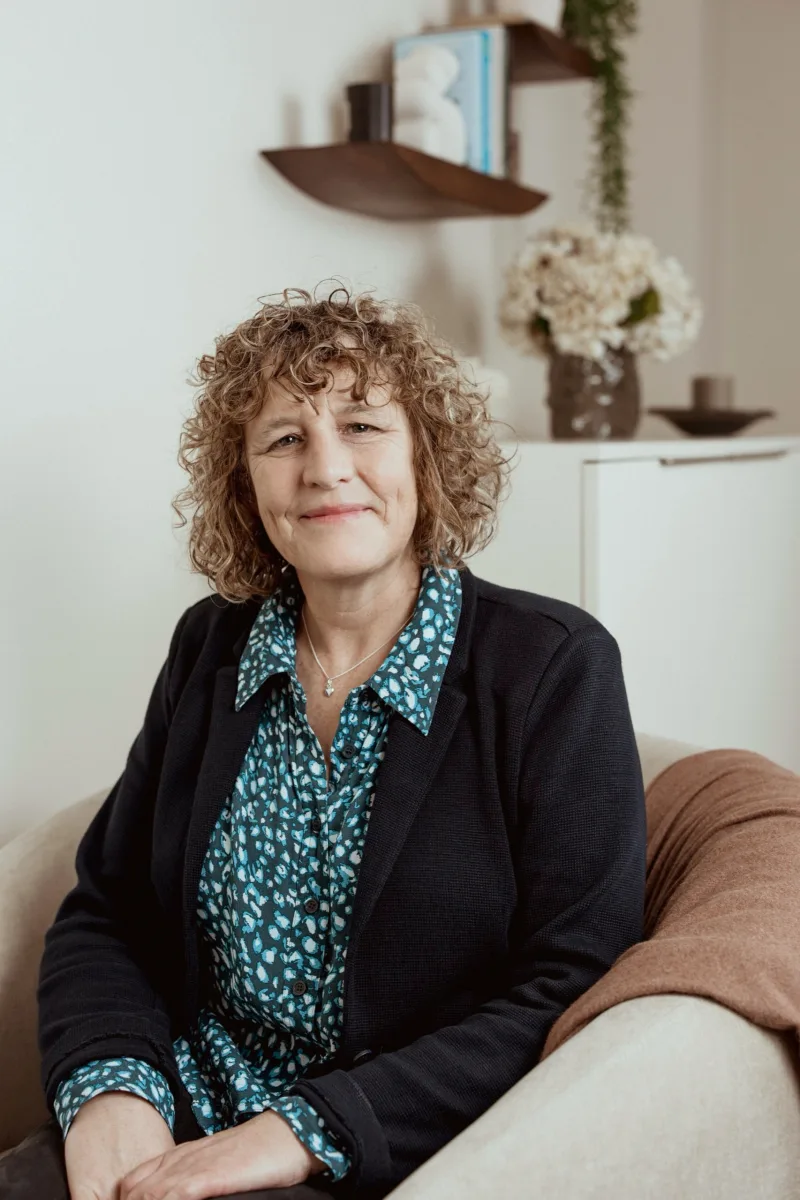
Dr Jackie Allt
Consultant Clinical Psychologist
With over 30 years of experience in both the NHS and private sectors, Dr Jackie Allt is a dedicated Consultant Clinical Psychologist specialising in adult mental health. Her approach is warm and approachable, fostering collaboration with her clients to create a trusting environment tailored to their unique needs….
Read Full Bio

Eleanor Wolfe
Integrative Psychotherapist & Couples Therapist
Eleanor is a dedicated Integrative Psychotherapist and Couples Therapist who is highly skilled working with individuals and couples. She utilises her considerable academic knowledge to ensure she offers expert, evidence-based psychological therapy….
Read Full Bio

Dr Sujeena Navajeeva
Clinical Psychologist
Dr Sujeena Navajeeva is a Clinical Psychologist with extensive experience supporting people across a broad spectrum of mental health challenges. Her approach is compassionate, collaborative, and grounded in real-world understanding. She is committed to creating a safe, inclusive, and affirming space where clients feel truly seen, heard, and supported….
Read Full Bio

Dr Olivia Adamson
Counselling Psychologist
Dr Olivia Adamson is a Counselling Psychologist with experience working in the NHS, private, and charity sectors. She provides a containing, compassionate, and insight-based approach to her work with clients….
Read Full Bio

Dr George Bougas
Clinical Psychologist And Couples Therapist
Dr George Bougas is a highly skilled and compassionate Clinical Psychologist with extensive experience across both NHS and private practice settings. He works with adults, young people, and couples, offering expert psychological therapy for a wide range of difficulties…
Read Full Bio

Kate Morgenstern
Integrative & Existential Psychotherapist
Kate Morgenstern is an Integrative Psychotherapist and a registered member of the British Association for Counselling and Psychotherapy (BACP). She works with adults, offering a thoughtful, compassionate, and collaborative therapeutic space….
Read Full Bio

Dr Hayley Zambakides
Clinical Psychologist
Dr Hayley Zambakides is a Clinical Psychologist with extensive experience working across a range of therapeutic settings within both the NHS and the charity sector. She is highly skilled in working with diverse and complex needs, tailoring her approach carefully to each individual….
Read Full Bio

Dr Josephine Swede
Counselling Psychologist
Dr Josephine Swede is a Counselling Psychologist who has worked across a range of therapeutic settings, including the NHS, private practice, and the charity sector. She understands the unique challenges these contexts can present and works collaboratively with clients to tailor therapy in a way that is both meaningful and practical within the realities of their lives….
Read Full Bio

Dr Meadhbh Raftery
Counselling Psychologist and Couples Therapist
Dr Raftery is a Counselling Psychologist and Couples Therapist with over 15 years of experience across both public and private mental health settings. She has particular expertise in long-term psychotherapy for individuals seeking more than symptom management and is experienced in supporting those who wish to understand themselves at a deeper level, break longstanding patterns, and create a life that feels more meaningful, authentic, and fulfilling….
Read Full Bio
Who is depression therapy for?
You do not need to have reached a crisis point to seek support. Some people come to therapy when depression is significantly affecting their everyday life, while others have lived with low mood for so long that it has begun to feel like part of who they are.
Whatever has brought you here, therapy can offer an opportunity to understand what is happening and what may help. The first step is a complimentary telephone consultation, where we will listen to what you have been experiencing and carefully match you with a psychologist or psychotherapist suited to your individual needs.
Book Now


Get in touch
If you are considering therapy for depression, the first step is a short call with Dr Steven Mahan-Taylor, our Clinic Director. It is a chance to talk through what has been happening and ask anything you need to before deciding on next steps.
Book A CallFrequently Asked Questions
-
Therapy for depression is a collaborative process that helps you understand why low mood may have developed, what may be maintaining it, and what can help you move forward. Sessions explore the patterns of thinking, behaviour and relationships that can contribute to depression, alongside the experiences and circumstances that may be shaping how you feel.
Therapy is one-to-one with one of our psychologists or psychotherapists, all of whom have experience working with depression. Your therapy will be carefully tailored to your individual needs, drawing on evidence-based approaches to help you make meaningful and lasting change.
-
If low mood is persisting or beginning to affect your sleep, concentration, relationships, work or enjoyment of everyday life, it may be helpful to talk to someone. You do not need to wait until things feel severe or unmanageable before seeking support.
Depression can develop gradually, and it is not always easy to recognise when you are in it. You may notice yourself withdrawing, losing interest in things that once mattered, or finding that everyday life requires more effort than it used to. These changes are reason enough to reach out and explore what might help.
-
Therapy begins with a thorough assessment, giving your psychologist or psychotherapist time to understand what you have been experiencing, how it is affecting your life and what you would like to change. Together, you will agree an initial focus for therapy and a treatment approach tailored to your individual needs. Sessions usually take place weekly.
Private therapy allows the work to be shaped around you, including careful matching with the right therapist and flexibility over the length of therapy, rather than working within a predetermined number of sessions. Sessions are available in person at our Borough High Street clinic, a short walk from London Bridge.
-
There is no single approach that suits everyone. The most appropriate one depends on how the depression presents, what has contributed to it, and what you hope to gain from therapy.
Our therapists work with a range of evidence-based approaches, including Cognitive Behavioural Therapy (CBT), Compassion Focused Therapy (CFT), Acceptance and Commitment Therapy (ACT), Schema Therapy and Psychodynamic Therapy. CBT has a strong evidence base for depression, particularly where withdrawal and self-critical thinking are maintaining low mood, while Compassion Focused Therapy is often helpful where shame is prominent. Your therapist will consider which is likely to help most during your assessment.
-
Early sessions focus on understanding when your difficulties began, what may have contributed to them, how they are affecting your life now, and what you have already tried. As therapy develops, you and your therapist will explore the thoughts, emotions, behaviours and relationship patterns that may be maintaining your depression, while identifying ways to create meaningful change.
You do not need to arrive knowing why you feel this way or how to explain it. Depression can make it harder to think clearly, make sense of your experiences or find the words for how you feel. Your therapist will help you explore this with care, at a pace that feels manageable.
-
The length of therapy for depression varies from person to person. It will depend on your individual needs, how long you have been experiencing difficulties, their impact on your life, and the experiences or patterns that may be contributing to them. Some people benefit from relatively focused, shorter-term work, while others find that longer-term therapy is more appropriate.
Following your assessment, your therapist will recommend an initial approach based on what is most likely to be helpful for you. Your progress and the focus of therapy will be reviewed together as the work develops, rather than assuming from the outset that everyone needs the same number of sessions.
-
Treatment-resistant depression describes depression that has not improved after two or more adequate courses of treatment. It is more common than many people expect, and it does not mean that nothing will help.
Where previous treatment has not worked, revisiting how the difficulty is understood often matters more than repeating the same approach. Longer-standing patterns, unresolved experiences, or another difficulty sitting alongside the depression can all be relevant, and assessment looks at these directly.
-
Fees vary according to the experience and specialism of the psychologist or psychotherapist you see, with the initial assessment charged separately. You can find our current fees in full on our fees page.
Before booking an appointment, we offer a complimentary 15-minute telephone consultation with our Clinic Director, Dr Steven Mahan-Taylor. This gives us an opportunity to understand what you are looking for, answer any questions about fees or therapy, and carefully match you with the therapist best suited to your needs.
Our
Services

Assessment Services
Our specialised assessment services provide a foundation for understanding and addressing individual and relational challenges. Tailored to meet the distinct needs of each client, these evaluations offer insights into personal and interpersonal dynamics, facilitating targeted therapeutic interventions.
Find Out More
Individual Therapy
Individual therapy offers a confidential space for personal exploration and growth, where our therapists focus on skill-building, coping strategies, and a goal-oriented approach whilst supporting you to develop a deep understanding of yourself. Drawing from evidence-based therapies such as Cognitive Behavioural Therapy (CBT), Acceptance and Commitment Therapy (ACT), and Schema Therapy, we work collaboratively with you to address your concerns. Together, we develop practical strategies to enhance your well-being and achieve your goals.
Find Out More Assessment Services
Our specialised assessment services provide a foundation for understanding and addressing individual and relational challenges. Tailored to meet the distinct needs of each client, these evaluations offer insights into personal and interpersonal dynamics, facilitating targeted therapeutic interventions.
Find Out More Individual Therapy
Individual therapy offers a confidential space for personal exploration and growth, where our therapists focus on skill-building, coping strategies, and a goal-oriented approach whilst supporting you to develop a deep understanding of yourself. Drawing from evidence-based therapies such as Cognitive Behavioural Therapy (CBT), Acceptance and Commitment Therapy (ACT), and Schema Therapy, we work collaboratively with you to address your concerns. Together, we develop practical strategies to enhance your well-being and achieve your goals.
Find Out More Assessment Services
Our specialised assessment services provide a foundation for understanding and addressing individual and relational challenges. Tailored to meet the distinct needs of each client, these evaluations offer insights into personal and interpersonal dynamics, facilitating targeted therapeutic interventions.
Find Out More Individual Therapy
Individual therapy offers a confidential space for personal exploration and growth, where our therapists focus on skill-building, coping strategies, and a goal-oriented approach whilst supporting you to develop a deep understanding of yourself. Drawing from evidence-based therapies such as Cognitive Behavioural Therapy (CBT), Acceptance and Commitment Therapy (ACT), and Schema Therapy, we work collaboratively with you to address your concerns. Together, we develop practical strategies to enhance your well-being and achieve your goals.
Find Out More