

Anxiety Therapy
Considered, evidence-based support for anxiety, shaped around what you are actually experiencing

Anxiety overview
Anxiety is a normal part of life, but sometimes it can begin to feel difficult to manage. It may affect the choices you make, the way you relate to others, or how you feel from one day to the next. Therapy can help you understand what may be behind your anxiety and recognise the patterns that keep it going. From there, the work is about finding ways to feel more at ease in everyday life.
Book a Free Call

What is anxiety?
Anxiety is the mind and body’s response to perceived threat, and everyone experiences it to some degree. It becomes more of a difficulty when it persists in the absence of any real threat, when the response is out of proportion to what triggered it, or when it begins to shape decisions and narrow what feels possible.
What are the symptoms of anxiety?
Anxiety is felt in the body as much as the mind. Most people notice some of these rather than all of them, and the pattern tends to shift over time.
- Worry that is difficult to interrupt
- Restlessness, or a sense of being on edge
- Difficulty concentrating
- Irritability that feels disproportionate
- Disturbed sleep
- Muscle tension through the jaw and shoulders
- A racing heart or tight chest
- Shortness of breath
- Dizziness or stomach discomfort
- Tiredness that rest does not resolve

Types of anxiety
Anxiety takes several recognised forms, and most people find one or two describe their experience more closely than the rest.
Anxiety following a traumatic event is usually better understood as post-traumatic stress.
Generalised anxiety
Known clinically as Generalised Anxiety Disorder. Wide-ranging worry that moves between subjects, is difficult to switch off, and often disturbs sleep.
Panic attacks
Sudden episodes of intense fear that peak within minutes and can include palpitations and breathlessness. Where they recur, this is called panic disorder.
Social anxiety
Intense apprehension in social or performance situations, usually connected to being judged. Over time it tends to build avoidance of those situations.
Health anxiety
Persistent worry about physical health, often alongside checking or seeking reassurance. The relief that brings is usually brief, and the cycle repeats.
Phobias
Strong fear responses to specific situations or objects, such as flying, heights or enclosed spaces, which gradually shape the choices made around them.
OCD
Intrusive thoughts alongside repetitive behaviours or mental routines carried out to reduce the distress they cause, known clinically as obsessive-compulsive disorder.
How therapy can support anxiety
Most people arrive having already tried to manage it alone. That might have meant avoiding certain situations, over-preparing for others, or pushing through and hoping it settles. What usually brings someone here is the point at which those strategies stop working.
Therapy tends to focus on:
- Understanding what drives it: Looking at where the anxiety came from in your particular history, and what keeps it going now, rather than treating it as something that arrived without cause.
- Working with the physical side: Anxiety is held in the body as much as the mind, so sessions address the tension, restlessness and disrupted sleep directly rather than as side effects.
- Reducing avoidance: Avoiding what makes us anxious brings short-term relief at a long-term cost. Therapy supports a gradual, paced return to whatever anxiety has made smaller.
- Building tolerance for uncertainty: Much of anxiety is an attempt to make the unknown feel manageable. Loosening that need tends to ease a good deal of what sits underneath.

Our therapeutic approaches
We draw on a range of evidence-based approaches, tailoring therapy to the individual rather than applying the same model to everyone. Some approaches focus on the patterns that maintain anxiety, while others explore what may be underlying it. Which is likely to help most becomes clearer through assessment.

Cognitive Behavioural Therapy (CBT)
Cognitive Behaviour Therapy (CBT) is one of the most widely recognised therapeutic approaches. CBT is…
Find Out More
Acceptance & Commitment Therapy (ACT)
Acceptance and Commitment Therapy (ACT) is a therapeutic approach that focuses on enhancing psychological flexibility—the…
Find Out More Compassion Focussed Therapy (CFT)
Compassion-Focused Therapy (CFT) is a therapeutic approach that integrates principles of cognitive-behavioural therapy (CBT) with…
Find Out More
Eye-Movement Desensitisation & Reprocessing (EMDR) Therapy
Eye Movement Desensitisation and Reprocessing (EMDR) is a therapeutic approach designed to help individuals process…
Find Out More
Schema Therapy
Schema therapy is a therapeutic approach that combines elements of cognitive-behaviour therapy, attachment theory, psychodynamic…
Find Out More
Psychodynamic Therapy
Psychodynamic Psychotherapy is a therapeutic approach rooted in the principles of psychoanalysis, focusing on the…
Find Out More Cognitive Behavioural Therapy (CBT)
Cognitive Behaviour Therapy (CBT) is one of the most widely recognised therapeutic approaches. CBT is…
Find Out More Acceptance & Commitment Therapy (ACT)
Acceptance and Commitment Therapy (ACT) is a therapeutic approach that focuses on enhancing psychological flexibility—the…
Find Out More Compassion Focussed Therapy (CFT)
Compassion-Focused Therapy (CFT) is a therapeutic approach that integrates principles of cognitive-behavioural therapy (CBT) with…
Find Out More Eye-Movement Desensitisation & Reprocessing (EMDR) Therapy
Eye Movement Desensitisation and Reprocessing (EMDR) is a therapeutic approach designed to help individuals process…
Find Out More Schema Therapy
Schema therapy is a therapeutic approach that combines elements of cognitive-behaviour therapy, attachment theory, psychodynamic…
Find Out More Psychodynamic Therapy
Psychodynamic Psychotherapy is a therapeutic approach rooted in the principles of psychoanalysis, focusing on the…
Find Out More Cognitive Behavioural Therapy (CBT)
Cognitive Behaviour Therapy (CBT) is one of the most widely recognised therapeutic approaches. CBT is…
Find Out More Acceptance & Commitment Therapy (ACT)
Acceptance and Commitment Therapy (ACT) is a therapeutic approach that focuses on enhancing psychological flexibility—the…
Find Out More Compassion Focussed Therapy (CFT)
Compassion-Focused Therapy (CFT) is a therapeutic approach that integrates principles of cognitive-behavioural therapy (CBT) with…
Find Out More Eye-Movement Desensitisation & Reprocessing (EMDR) Therapy
Eye Movement Desensitisation and Reprocessing (EMDR) is a therapeutic approach designed to help individuals process…
Find Out More Schema Therapy
Schema therapy is a therapeutic approach that combines elements of cognitive-behaviour therapy, attachment theory, psychodynamic…
Find Out More Psychodynamic Therapy
Psychodynamic Psychotherapy is a therapeutic approach rooted in the principles of psychoanalysis, focusing on the…
Find Out More The London Bridge Therapy Team
Meet The Team
Dr Steven Mahan-Taylor
Clinic Director & Consultant Clinical Psychologist
Dr Mahan-Taylor creates a therapy space that is professional, warm, and human. He is known for his ability to form genuine, trusting therapeutic relationships, which is an essential foundation for deep and lasting change. Clients consistently value his balance of clinical expertise with an approachable, grounded style….
Read Full Bio

Andrea Dobson
Counselling Psychologist
Andrea is an accomplished Counselling Psychologist and Coach with extensive experience across inpatient, outpatient, and occupational settings. She began her professional journey in Amsterdam after earning qualifications in Clinical Psychology….
Read Full Bio

Dr Kate O'Connor
Clinical Psychologist
Dr Kate O’Connor is a highly skilled Clinical Psychologist with extensive experience across various therapeutic settings within the NHS, including both inpatient and community environments. She primarily works with adults facing enduring and complex mental health challenges, demonstrating her versatility and expertise in handling a wide range of client needs….
Read Full Bio

Dr Hannah Krzyzanowski
Clinical Psychologist
Dr Krzyzanowski has an extensive history of working within a variety of NHS settings, from community outreach to specialised healthcare services, which has equipped her with the ability to manage complex cases across a broad spectrum of needs….
Read Full Bio

Dr Catherine Barton-Sweeney
Counselling Psychologist
Dr Catherine Barton-Sweeney is a warm, compassionate, and insightful Counselling Psychologist who is deeply committed to fostering genuine connections with those she supports. With over two decades of experience, Dr Barton-Sweeney brings a wealth of expertise and understanding to her work….
Read Full Bio

Kendal Earl-Travis
Relationship Psychotherapist
Kendal Earl-Travis is a highly skilled and compassionate Relationship Psychotherapist, dedicated to enhancing the quality of relationships for both couples and individuals. Clients often describe their experiences with her as truly transformational, reflecting her deep commitment to their growth and healing….
Read Full Bio

Dr Liza Turner
Clinical Psychologist
Dr Liza Turner is a highly skilled Clinical Psychologist with a compassionate and approachable style. Drawing on extensive experience across various NHS settings, she provides treatments grounded in research, while understanding each client’s unique life journey….
Read Full Bio
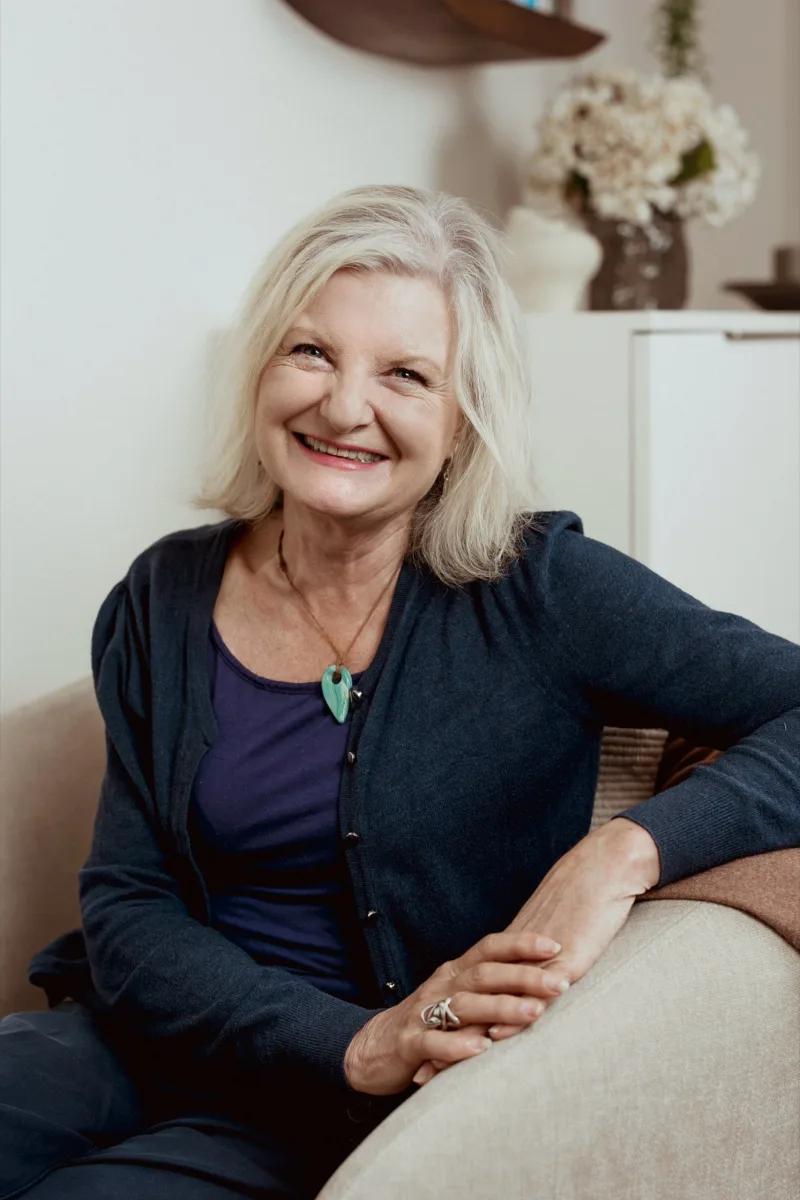
Nicola Williams
Counselling Psychologist
Nicola Williams is an accomplished Chartered Counselling Psychologist, certified Eye Movement Desensitisation and Reprocessing (EMDR) therapist, and Internal Family Systems therapist, with over thirty years’ experience in healthcare across both the NHS and private sectors….
Read Full Bio

Matthew Stainer
Integrative Psychotherapist, Couples Therapist & Specialist Addiction Therapist
Matthew is an experienced Integrative Psychotherapist and Couples Therapist, incorporating various theoretical frameworks into the therapeutic process, delivering expert, solution-focused therapy tailored to his clients’ needs….
Read Full Bio

Sarah Horner
Specialist Couples Therapist
Sarah Horner is a dedicated psychodynamic couples therapist, holding a Master’s degree in Psychology from Cambridge University and a Postgraduate Diploma in Couples Psychotherapy from Tavistock Relationships, a prestigious institution recognised globally for its research, training, and practice in couples therapy….
Read Full Bio

Dr Zoe Delaney
Clinical Psychologist
Dr Zoe Delaney is a compassionate and experienced Clinical Psychologist with extensive experience supporting a wide range of clients across a broad range of psychological challenges. She places significant emphasis on the therapeutic relationship, helping clients delve into early life experiences and relationship patterns to better understand their present challenges and emotions….
Read Full Bio
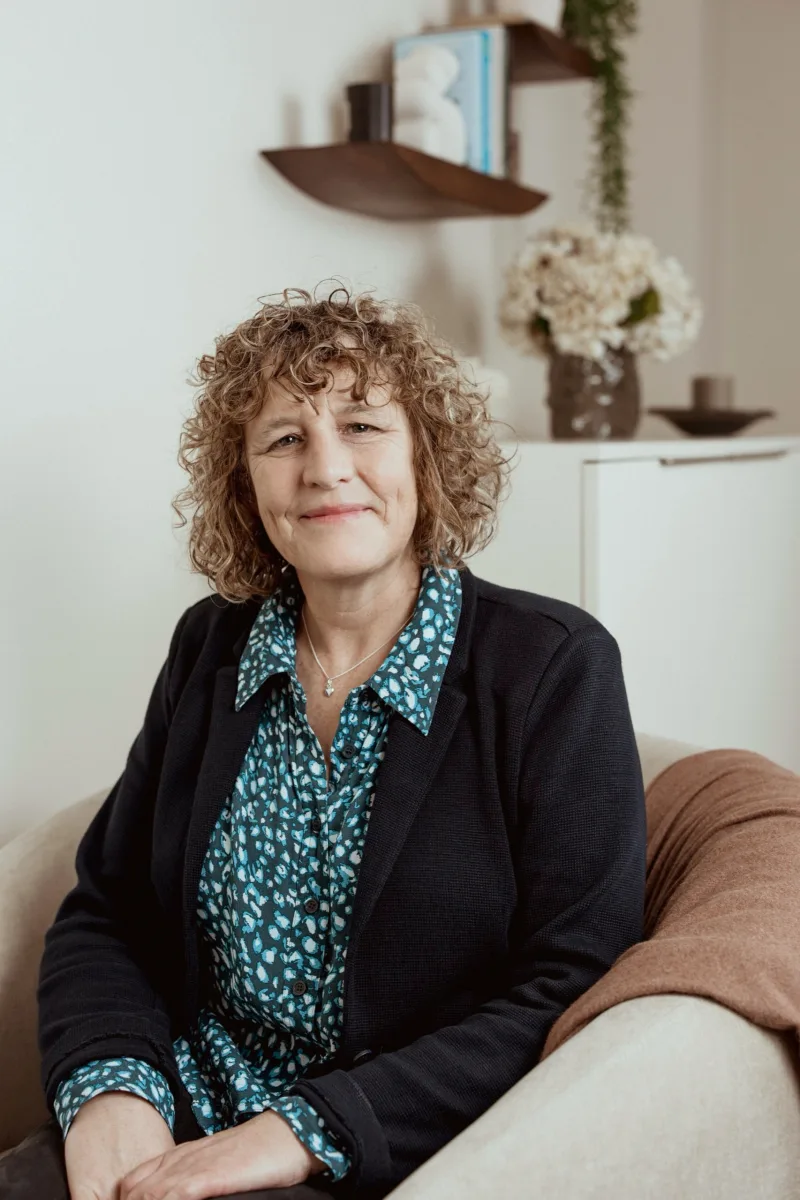
Dr Jackie Allt
Consultant Clinical Psychologist
With over 30 years of experience in both the NHS and private sectors, Dr Jackie Allt is a dedicated Consultant Clinical Psychologist specialising in adult mental health. Her approach is warm and approachable, fostering collaboration with her clients to create a trusting environment tailored to their unique needs….
Read Full Bio

Eleanor Wolfe
Integrative Psychotherapist & Couples Therapist
Eleanor is a dedicated Integrative Psychotherapist and Couples Therapist who is highly skilled working with individuals and couples. She utilises her considerable academic knowledge to ensure she offers expert, evidence-based psychological therapy….
Read Full Bio

Dr Sujeena Navajeeva
Clinical Psychologist
Dr Sujeena Navajeeva is a Clinical Psychologist with extensive experience supporting people across a broad spectrum of mental health challenges. Her approach is compassionate, collaborative, and grounded in real-world understanding. She is committed to creating a safe, inclusive, and affirming space where clients feel truly seen, heard, and supported….
Read Full Bio

Dr Olivia Adamson
Counselling Psychologist
Dr Olivia Adamson is a Counselling Psychologist with experience working in the NHS, private, and charity sectors. She provides a containing, compassionate, and insight-based approach to her work with clients….
Read Full Bio
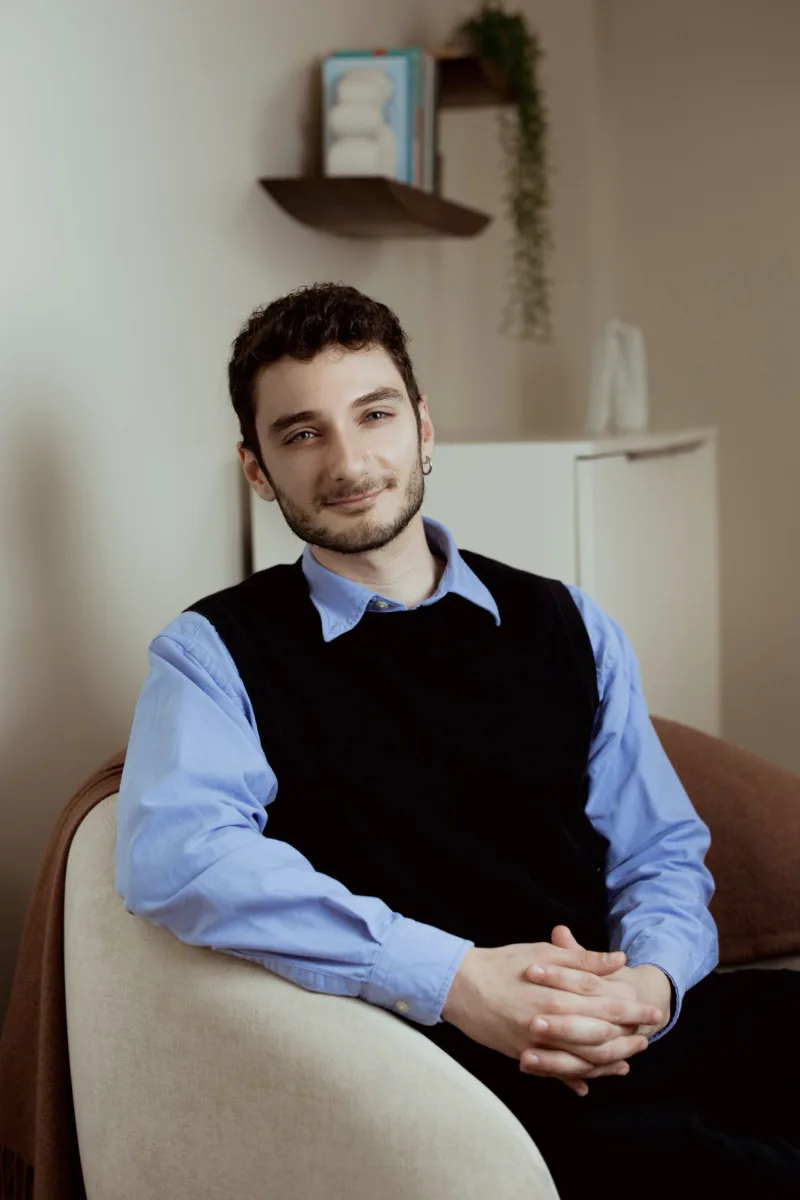
Dr George Bougas
Clinical Psychologist And Couples Therapist
Dr George Bougas is a highly skilled and compassionate Clinical Psychologist with extensive experience across both NHS and private practice settings. He works with adults, young people, and couples, offering expert psychological therapy for a wide range of difficulties…
Read Full Bio

Kate Morgenstern
Integrative & Existential Psychotherapist
Kate Morgenstern is an Integrative Psychotherapist and a registered member of the British Association for Counselling and Psychotherapy (BACP). She works with adults, offering a thoughtful, compassionate, and collaborative therapeutic space….
Read Full Bio

Dr Hayley Zambakides
Clinical Psychologist
Dr Hayley Zambakides is a Clinical Psychologist with extensive experience working across a range of therapeutic settings within both the NHS and the charity sector. She is highly skilled in working with diverse and complex needs, tailoring her approach carefully to each individual….
Read Full Bio

Dr Josephine Swede
Counselling Psychologist
Dr Josephine Swede is a Counselling Psychologist who has worked across a range of therapeutic settings, including the NHS, private practice, and the charity sector. She understands the unique challenges these contexts can present and works collaboratively with clients to tailor therapy in a way that is both meaningful and practical within the realities of their lives….
Read Full Bio

Dr Meadhbh Raftery
Counselling Psychologist and Couples Therapist
Dr Raftery is a Counselling Psychologist and Couples Therapist with over 15 years of experience across both public and private mental health settings. She has particular expertise in long-term psychotherapy for individuals seeking more than symptom management and is experienced in supporting those who wish to understand themselves at a deeper level, break longstanding patterns, and create a life that feels more meaningful, authentic, and fulfilling….
Read Full Bio
Who is anxiety therapy for?
You don’t need to wait until anxiety feels overwhelming to seek support. Some people come to therapy with a specific fear or difficulty they want to address, while others have lived with worry for so long that it has simply become part of everyday life.
The first step is a brief conversation with us, a chance to talk about what’s been happening and consider what kind of support might be right for you.
Book Now


Get in touch
If you are considering therapy for anxiety, the first step is a short call with Dr Steven Mahan-Taylor, our Clinic Director. It is a chance to talk through what has been happening and ask anything you need to before deciding on next steps.
Book A CallFrequently Asked Questions
-
Anxiety therapy is talking therapy focused on understanding what is driving your anxiety and what may be keeping it going. Sessions look beyond the symptoms themselves, exploring the thoughts, feelings and physical responses you experience, the situations you may have started to avoid, and the experiences or patterns that may be contributing to how you feel.
Therapy takes place one-to-one with one of our Psychologists or Psychotherapists, all of whom have experience supporting people with anxiety.
-
You don’t need to reach a certain level of anxiety before seeking support. What matters is the impact it is having on you, whether it is affecting your relationships, work, sleep or concentration, limiting what you feel able to do, or simply making everyday life harder than it needs to be.
Many people wait until anxiety has become difficult to manage before considering therapy. If it is affecting your quality of life, or the ways you have been managing it no longer seem to be helping, it may be a good time to talk to someone.
-
There is strong evidence for the effectiveness of psychological therapy for anxiety, with approaches such as Cognitive Behavioural Therapy (CBT) and Acceptance and Commitment Therapy (ACT) particularly well established. However, how well an approach works also depends on how closely it fits the person.
Finding an approach that suits your experience of anxiety matters, as does working with a therapist you feel comfortable with. Our initial call is free and gives us a chance to understand what you are looking for, answer any questions, and consider what kind of support may be the best fit.
-
There is no single approach to anxiety therapy that is right for everyone. The most appropriate approach will depend on your experience of anxiety, the factors contributing to it, and what you hope to gain from therapy.
Our therapists work with a range of evidence-based approaches, including Cognitive Behavioural Therapy (CBT), Acceptance and Commitment Therapy (ACT), Schema Therapy and Eye Movement Desensitisation and Reprocessing (EMDR). Rather than choosing an approach based on a diagnosis alone, your therapist will take time to understand you as an individual and consider which way of working is likely to be most helpful. This is something you explore together during your initial assessment, rather than something you need to decide in advance.
-
Early sessions are an opportunity to build a clearer picture of your anxiety: when it began, what tends to trigger it, how it affects you, and the ways you have tried to manage it. As therapy develops, you may begin to explore the patterns beneath the anxiety, including particular fears, situations you avoid, and the experiences or beliefs that may be contributing to how you feel.
You don’t need to arrive knowing exactly what is wrong or why you feel the way you do. Many people find it difficult to put their experience into words at first. Your therapist will help guide the conversation, asking questions and working with you to make sense of what is happening at a pace that feels manageable.
-
It varies depending on what is being worked with. Focused work on a specific anxiety, such as a phobia or a defined pattern of panic, is often shorter. Anxiety that has been present for many years, or that sits alongside other difficulties, usually takes longer.
Rather than committing to a fixed number of sessions at the outset, your therapist will suggest an initial direction at assessment and review it with you as the work develops.
-
Fees vary depending on which therapist you work with, and an initial assessment is charged separately. Our current fees are listed in full on our fees page.
A free 15-minute telephone call with our Clinic Director, Dr Steven Mahan-Taylor, comes before any appointment is booked, and is a straightforward way to ask about both cost and fit.
-
Some symptoms of anxiety can also occur with physical health conditions or as a side effect of certain medications. If your symptoms are new, have changed, or you are unsure what may be causing them, it is important to speak with your GP or another healthcare professional.
Many people come to therapy after physical causes have been investigated, yet the symptoms they are experiencing remain very real and often distressing. Therapy can help you explore how anxiety may be contributing to these experiences and develop ways of understanding and responding to them differently.
Our
Services

Assessment Services
Our specialised assessment services provide a foundation for understanding and addressing individual and relational challenges. Tailored to meet the distinct needs of each client, these evaluations offer insights into personal and interpersonal dynamics, facilitating targeted therapeutic interventions.
Find Out More
Individual Therapy
Individual therapy offers a confidential space for personal exploration and growth, where our therapists focus on skill-building, coping strategies, and a goal-oriented approach whilst supporting you to develop a deep understanding of yourself. Drawing from evidence-based therapies such as Cognitive Behavioural Therapy (CBT), Acceptance and Commitment Therapy (ACT), and Schema Therapy, we work collaboratively with you to address your concerns. Together, we develop practical strategies to enhance your well-being and achieve your goals.
Find Out More Assessment Services
Our specialised assessment services provide a foundation for understanding and addressing individual and relational challenges. Tailored to meet the distinct needs of each client, these evaluations offer insights into personal and interpersonal dynamics, facilitating targeted therapeutic interventions.
Find Out More Individual Therapy
Individual therapy offers a confidential space for personal exploration and growth, where our therapists focus on skill-building, coping strategies, and a goal-oriented approach whilst supporting you to develop a deep understanding of yourself. Drawing from evidence-based therapies such as Cognitive Behavioural Therapy (CBT), Acceptance and Commitment Therapy (ACT), and Schema Therapy, we work collaboratively with you to address your concerns. Together, we develop practical strategies to enhance your well-being and achieve your goals.
Find Out More Assessment Services
Our specialised assessment services provide a foundation for understanding and addressing individual and relational challenges. Tailored to meet the distinct needs of each client, these evaluations offer insights into personal and interpersonal dynamics, facilitating targeted therapeutic interventions.
Find Out More Individual Therapy
Individual therapy offers a confidential space for personal exploration and growth, where our therapists focus on skill-building, coping strategies, and a goal-oriented approach whilst supporting you to develop a deep understanding of yourself. Drawing from evidence-based therapies such as Cognitive Behavioural Therapy (CBT), Acceptance and Commitment Therapy (ACT), and Schema Therapy, we work collaboratively with you to address your concerns. Together, we develop practical strategies to enhance your well-being and achieve your goals.
Find Out More